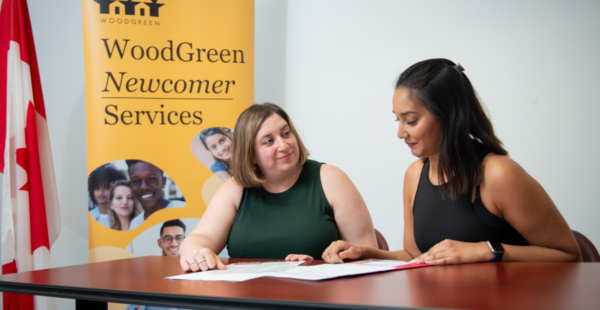
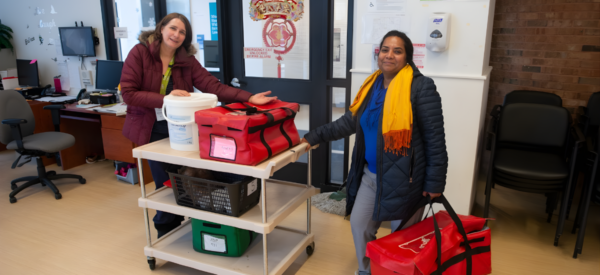
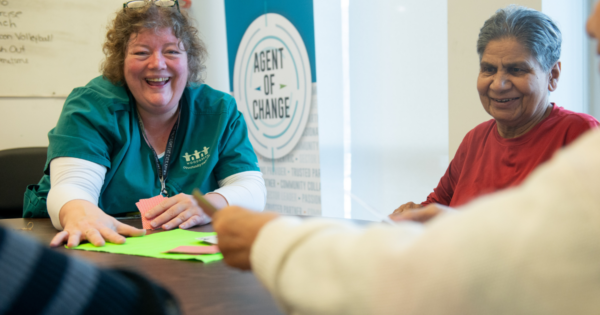
Back in 2018, Leonie Bedford saw an ad that WoodGreen was looking for volunteers to assist with its Friendly Visiting and Medical Escort program. She saw firsthand the need for senior companionship and decided to do something about it by becoming a volunteer.
“It was something I wanted to do because I knew my mother was lonely in the last few years of her life, so I wanted to do something for other seniors so they wouldn’t be as lonely,” she said.
Brenda Mutch, the program coordinator, explained the benefits of this great program- “Friendly Visiting provides companionship, friendship, conversation, and emotional support from members within the community. This can lead to improvements in the senior’s health and well-being.”
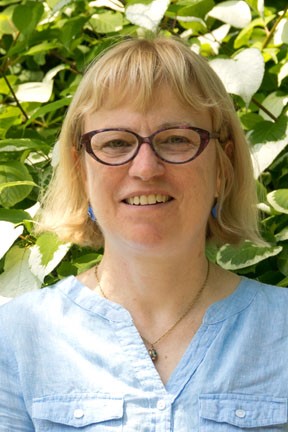
Leonie is one of 25 volunteers who help out with the Friendly Visiting and Medical Escort program. The volunteers are caring, compassionate individuals who understand and can empathize with isolated seniors. Volunteers can also act as medical escorts, accompanying seniors who may not have someone to visit their appointments with them as a friend would. They are a busy group. From April 2021 to March 2022, the volunteers served 178 clients and completed 11,175 visits.
Friendly visiting volunteers are a friend to lean on
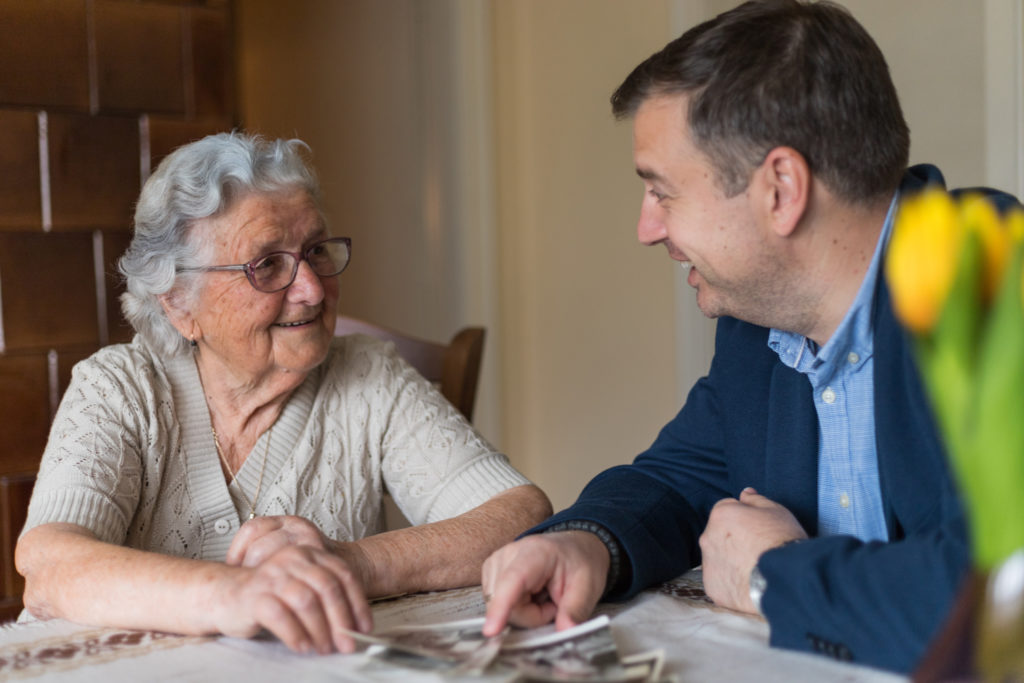
Through this program, Leonie has met many seniors whom she says were a joy to spend time with, from a grieving widow to a woman with early-onset Alzheimer’s. She learned that they all had stories to tell and lessons to share about their life experiences and she became great friends with many of them.
“I would be a medical escort for some seniors, and we would travel all over (the city). It was great because I met all types of characters and bittersweet because eventually they wouldn’t need me anymore and moved on with their lives,” she said
When the pandemic shut down in-person visiting, Leonie reached out to join the phone call service to ensure she stayed connected with seniors. She knew that if everyone was having a tough time in lockdown, the seniors were likely even more isolated.
“I got a list of names to call, and it was a little more difficult because you don’t know much about newer seniors, but at the end of the day, they know you’re going to call, and you’re probably the only one who’s calling them that isn’t a carer/doctor,” she said.
Socialization important for seniors’ quality of life
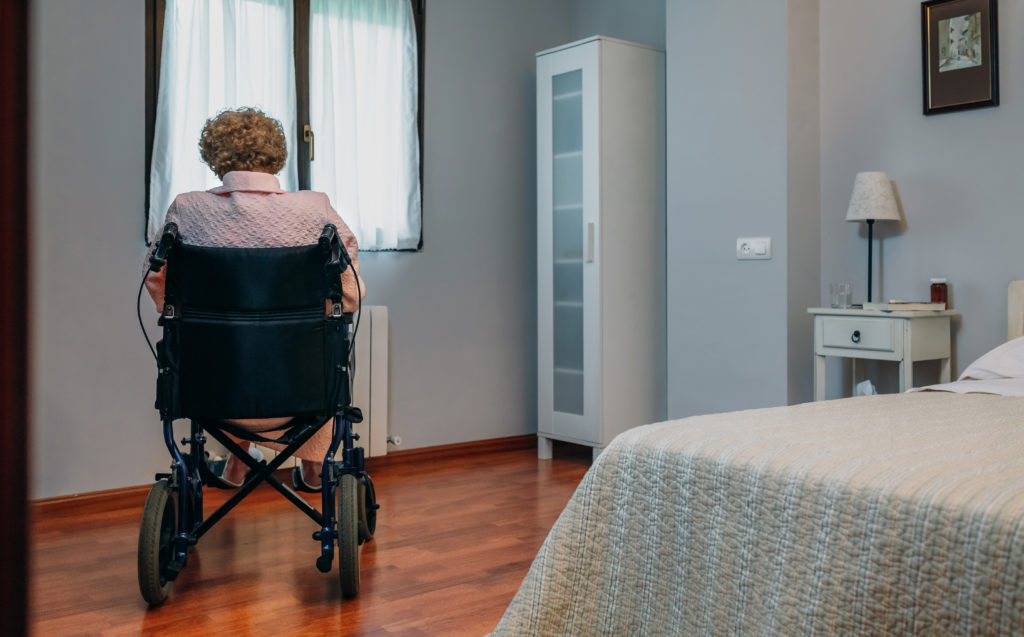
Isolation can have a devastating impact on seniors. A study on social relationships showed that going without social connections increases the chance of early death and is comparable to smoking 15 cigarettes daily.
Even more, roughly 30 percent of Canada’s senior population experiences social isolation due to either loss of mobility or health issues. There are many reasons why seniors become isolated. They include:
- Suffering from chronic Illnesses
- Mobility issues
- No access to transportation
- No family
- Loss of a family member
Getting a daily connection with someone outside their family/caregivers improves seniors’ quality of life and gives them something to look forward to in their day.
Remembering Humanity
Volunteers like Leonie are happy to provide this important connection.
“Some just need to hear a voice that’s not tv or a radio; they need someone who’s alive to converse with, to connect with. That’s all, and it’s not much,” she says.
According to Leonie, volunteering for the friendly visiting program isn’t hard; it takes empathy and interest in these seniors’ lives, which could mean the world to them.
“The last week of [one client’s] life, I spoke to him, and he said, ‘I want to thank you very much. I looked forward to your call every week; it was the highlight of my week.’ It made me realize this program does make a difference,” she said.
If you’re interested in becoming a volunteer for the Friendly Visiting or Medical Escort Program, apply here!